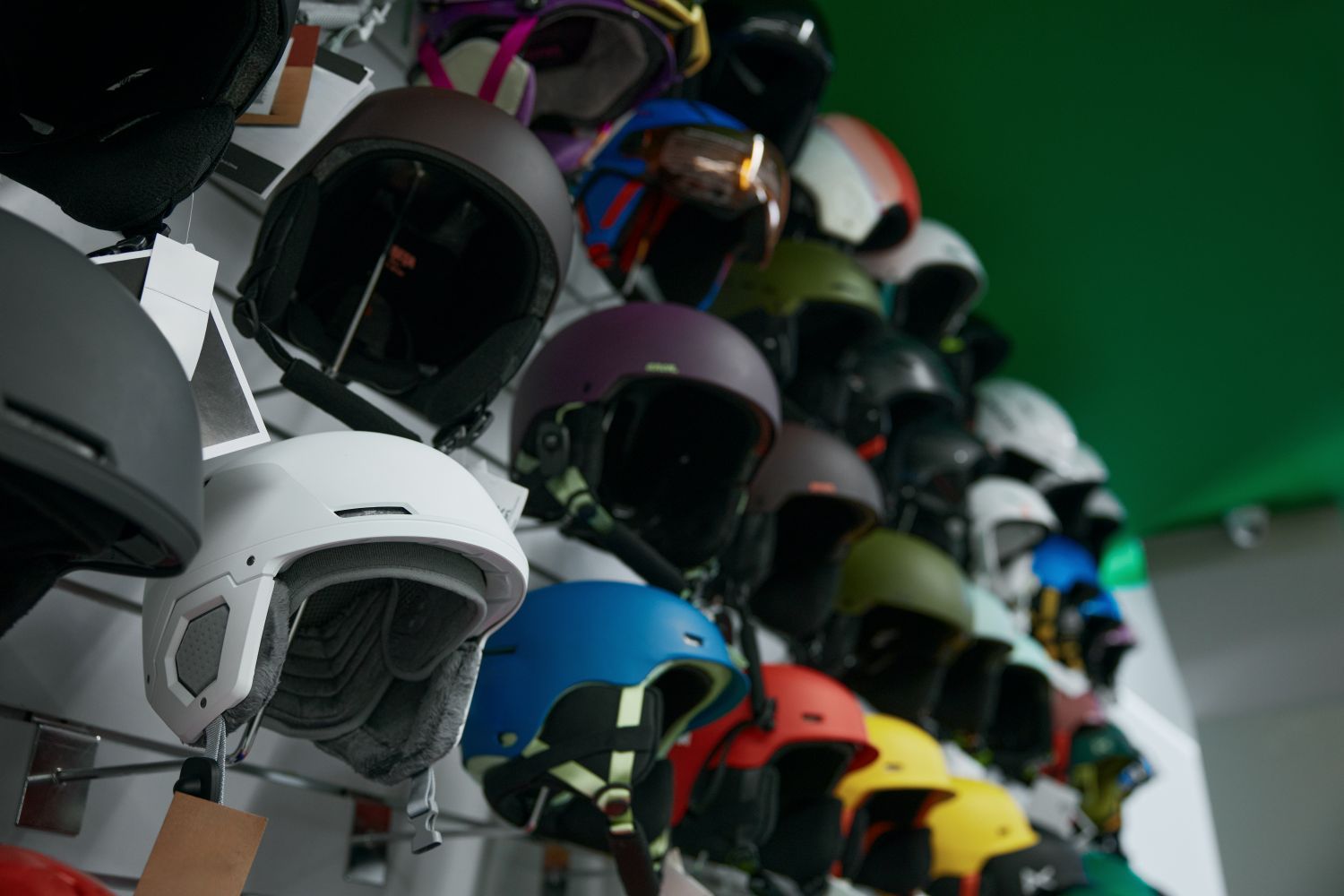
Helmets are more than just accessories; they are essential safety gear that protect lives across various activities. Whether you’re riding a motorcycle, cycling, or working in construction, understanding the different types of helmets can significantly impact your safety. This article explores various helmet categories-including motorcycle, bicycle, and specialized options-while also diving into materials, fit, and safety certifications. Discover the nuances that make each helmet suitable for its purpose and ensure you choose the right protection for your needs.
Importance of Helmet Safety
Helmet safety is of utmost importance, as studies indicate that wearing a helmet can reduce the risk of severe head injuries by 85% in motorcycle accidents. Compliance with established safety standards, such as those set by the Department of Transportation (DOT) and the Consumer Product Safety Commission (CPSC), is essential to ensure the effectiveness of helmets.
A pertinent example is a 2019 motorcycle accident in Texas, which underscored the severe consequences of neglecting these standards; the rider sustained catastrophic injuries due to the use of a novelty helmet that lacked proper certification.
It is crucial to select helmets that fit securely and provide both comfort and protection. Additionally, helmets should be inspected regularly for signs of wear and damage to ensure compliance with safety regulations. This proactive approach can significantly reduce the risk of serious injuries in the event of an accident.
Types of Helmets
A variety of helmets are designed for specific activities, each equipped with distinctive features that promote optimal safety and comfort.
Motorcycle Helmets
Motorcycle helmets are available in various styles, including full-face and modular designs, each providing distinct levels of protection and comfort. Full-face helmets offer the highest level of safety by enclosing the entire head and face, while open-face helmets provide enhanced ventilation and a broader field of vision, albeit with reduced protection.
Modular helmets serve as a hybrid option, allowing riders to lift the chin bar for added convenience.
Safety ratings, such as those provided by DOT (Department of Transportation) and ECE (Economic Commission for Europe), are essential considerations when selecting a helmet. It is advisable to choose helmets that meet these standards to ensure quality and safety.
Prominent brands, such as Bell and Shoei, offer helmets that typically range in price from $200 to $800. These helmets often feature enhancements such as moisture-wicking liners and advanced aerodynamics, contributing to overall comfort and performance.
Bicycle Helmets
Bicycle helmets are meticulously designed to provide both comfort and protection, with a focus on ventilation and lightweight construction for extended usage.
To achieve these objectives, many helmets incorporate materials such as in-mold polycarbonate and EPS foam. For example, the Giro Register, priced at $50, boasts a lightweight design that facilitates ample airflow, making it a preferred choice among commuters; user reviews consistently commend its comfort during lengthy rides.
On the higher end of the market, the Bell Z20, priced at $80, features advanced ventilation channels and aerodynamic shapes tailored for performance cyclists. Both models comply with safety standards such as CPSC and EN 1078, ensuring that riders can prioritize safety without compromising on comfort.
Skateboarding Helmets
Skateboarding helmets are engineered to absorb impact and mitigate injuries sustained during falls, with numerous models providing a secure fit and enhanced protection.
Key design attributes include thicker foam padding, which improves shock absorption, and a lower profile that enhances aerodynamics.
A noteworthy example is the Triple Eight Brainsaver, priced at approximately $60, which complies with the ASTM F1492 standard, making it an appropriate option for street skating. Similarly, the Pro-Tec Classic, available for around $50, features a vintage aesthetic while delivering essential safety.
Both helmets emphasize comfort and protection, allowing skaters to concentrate on their performance without the apprehension of potential injury.
Specialized Helmets
Specialized helmets are designed to meet the unique requirements of specific environments and activities, providing optimal protection through customized features and materials.
Construction Helmets
Construction helmets, commonly referred to as hard hats, are specifically designed to safeguard against impact and penetration hazards present on job sites.
There are two primary classifications of hard hats: Type I and Type II, both of which adhere to the ANSI Z89.1 standards. Type I hard hats are engineered to provide protection against impacts occurring from above, while Type II hard hats offer additional protection against lateral impacts.
Renowned brands such as MSA, known for their V-Gard line priced between $20 and $50, are recognized for their durability. Pyramex, with models available in the $25 to $100 range, incorporates features such as adjustable suspension systems to ensure a secure fit.
Selecting the appropriate type of hard hat is essential for providing optimal protection that is tailored to the specific risks associated with the job site.
Sports Helmets
Sports helmets, including those used in football and hockey, play a critical role in high-contact sports by being specifically designed to absorb impacts and minimize the risk of head injuries.
When selecting a sports helmet, it is essential to consider key features that enhance both safety and comfort. Look for impact resistance ratings, such as those certified by the National Operating Committee on Standards for Athletic Equipment (NOCSAE) for football helmets.
Custom fit systems, like Riddell’s Precision Fit (priced at $200 and above), ensure an optimal snug fit, thereby reducing movement during gameplay. Hockey players may prefer the CCM Tacks 710 (starting at $120), which offers a lightweight design coupled with superior shock absorption capabilities.
Additionally, newer helmet models often incorporate built-in communication systems, enabling players to maintain connectivity without compromising safety. It is crucial to prioritize both fit and certification to ensure the highest level of protection.
Helmet Materials
The material composition of helmets plays a critical role in determining both safety and comfort, as it impacts their weight, durability, and resistance to impact.
Polycarbonate
Polycarbonate is widely regarded as a preferred material for helmets due to its lightweight characteristics and high-impact resistance, rendering it suitable for a variety of applications. Along with these advantages, polycarbonate helmets typically offer enhanced comfort compared to those constructed from heavier materials such as fiberglass or carbon fiber.
For instance, the Bell Qualifier, priced at $150, incorporates polycarbonate, thereby providing riders with a combination of affordability and safety. Unlike traditional helmets, polycarbonate is effective in absorbing impacts while remaining comfortable for extended periods of wear.
Brands such as HJC and LS2 also utilize polycarbonate in their helmet models, effectively balancing protection and comfort, which makes them popular choices among both casual and serious riders.
Fiberglass
Fiberglass helmets are recognized for their exceptional strength and durability, making them a preferred option among professional motorcyclists and construction workers. These helmets are esteemed for their rigidity and superior impact absorption capabilities.
For instance, the Arai RX-7, priced at approximately $800, demonstrates advanced crash test performance, effectively absorbing shock during impact-a critical factor for safety in high-speed scenarios.
The rigid structure of fiberglass helmets aids in maintaining the helmet’s shape, thereby enhancing protection. However, it is important to note that they may be heavier and less ventilated compared to alternatives, such as polycarbonate helmets.
For individuals prioritizing maximum durability and protection, fiberglass helmets like the Arai RX-7 represent an excellent investment.
Choosing the Right Helmet
Selecting the appropriate helmet necessitates careful consideration of fit, comfort, and safety certifications to ensure optimal head protection.
Fit and Comfort
A proper fit is essential for the effectiveness of a helmet; a helmet that is either too loose or too tight can compromise safety.
To ensure an appropriate fit, one should begin by measuring the circumference of the head using a soft tape measure, positioning it approximately one inch above the eyebrows.
It is advisable to select models equipped with adjustable straps; brands such as Fox Racing and Giro provide features including adjustable padding and retention systems.
Once the helmet is donned, it is important to verify that it sits level and snugly against the forehead without causing any discomfort.
Conducting the shake test is also recommended: move the head side to side and up and down. The helmet should remain stable without shifting, thereby offering optimal protection.
Safety Certifications
Safety certifications are essential in ensuring that helmets adhere to specific impact resistance and performance standards that are critical for user safety.
When selecting a helmet, it is important to look for key certifications such as:
- DOT (Department of Transportation)
- CPSC (Consumer Product Safety Commission)
- ASTM (American Society for Testing and Materials)
- EN 1078 (European Standard)
These certifications serve as indicators of a helmet’s reliability in providing adequate impact protection.
For example, the Bell Qualifier, which is DOT certified, is priced around $120 and is recognized for its durability. Alternatively, the Giro Savant, which holds CPSC certification, offers a lightweight design at approximately $150.
It is imperative to verify these certifications to ensure that the helmet provides maximum protection.