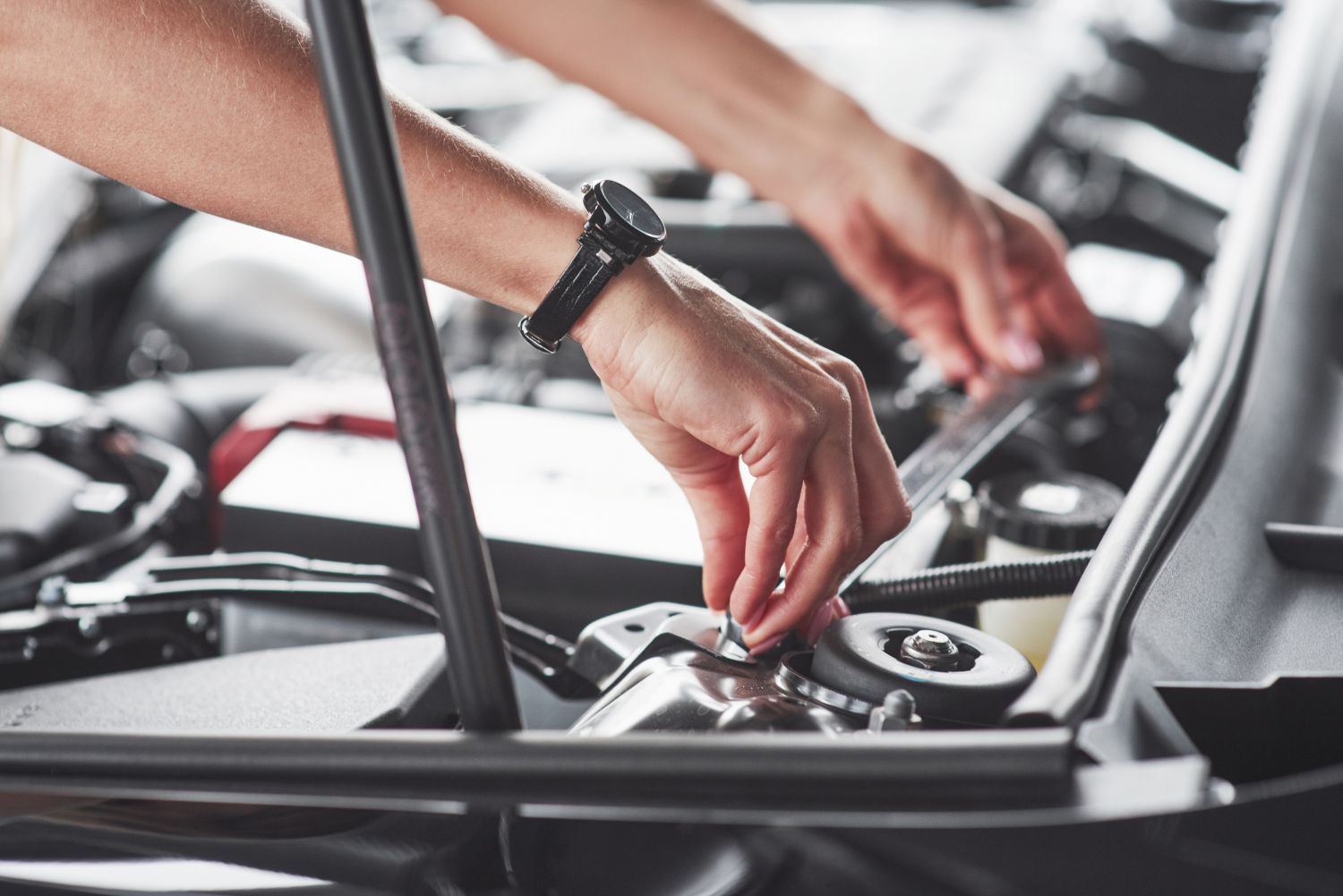
A well-maintained engine is the cornerstone of safe and efficient driving. By checking your engine condition before departure, you not only enhance your safety on the road but also improve your vehicle’s performance and longevity. Understanding the significance of these pre-departure inspections can help prevent accidents, reduce mechanical failures, and even save you money in repairs. Explore the multifaceted benefits of routine engine checks and discover how they contribute to a more sustainable driving experience.
Importance of Pre-Departure Inspections
Conducting pre-departure inspections is essential for preventing unexpected breakdowns by identifying potential issues prior to embarking on a journey. To ensure a comprehensive evaluation, the following checklist should be adhered to:
- First, examine fluid levels, including oil, coolant, and brake fluid.
- Next, inspect tire pressure to confirm that all tires, including the spare, are inflated to the recommended PSI.
- Assess warning lights and dashboard indicators while starting the engine.
It is advisable to perform these checks weekly or prior to undertaking long trips. By routinely monitoring these critical components, one can significantly reduce the risk of roadside complications and enhance the overall reliability of the vehicle.
Enhancing Safety
A comprehensive vehicle safety inspection can greatly improve the safety of both drivers and passengers, thereby decreasing the probability of accidents resulting from mechanical failures.
Preventing Accidents
Regular inspections that encompass brake system evaluations and tire condition assessments can result in a 30% reduction in road accidents. To ensure vehicle safety, it is essential to prioritize the following specific checks during inspections:
- Assess brake pads for wear,
- Test brake fluid levels to ensure proper viscosity,
- Inspect tire tread depth to confirm sufficient grip.
Additionally, it is important to evaluate tire pressure, as improper inflation may lead to blowouts or compromised handling. Employing tools such as a brake fluid tester or a tread depth gauge can facilitate accurate measurements.
By committing to these routine evaluations, drivers can significantly enhance their vehicle’s performance and reliability on the road.
Reducing Mechanical Failures
Preventive maintenance can reduce mechanical failures by as much as 50%, thereby ensuring smooth vehicle operation and enhancing driver confidence. Routine maintenance tasks are vital for extending the lifespan of a vehicle.
Commencing with regular oil changes every 5,000 to 7,500 miles is crucial, as this practice helps to keep the engine properly lubricated and prevents excessive wear. Additionally, it is recommended to inspect air filters every 12,000 to 15,000 miles; maintaining a clean filter can improve fuel efficiency by up to 10%.
Tire rotations should be performed every 6,000 to 8,000 miles to promote even wear, thus enhancing stability and traction. Furthermore, brake fluid should be replaced every two years to ensure effective braking performance.
Collectively, these maintenance tasks contribute to a safer driving experience.
Improving Vehicle Performance
Enhancing vehicle performance is inherently connected to the practice of regular maintenance checks, which ultimately results in improved fuel efficiency and a more refined driving experience.
Optimizing Fuel Efficiency
Regular inspections and adjustments, such as maintaining optimal tire pressure and ensuring clean air filters, can enhance fuel efficiency by as much as 15%.
To begin, it is advisable to check tire pressure on a monthly basis using a reliable gauge. Keeping tires inflated to the manufacturer’s specifications can significantly improve fuel efficiency.
Additionally, it is important to clean or replace the air filter every 12,000 to 15,000 miles, as a clean filter facilitates better airflow to the engine, thereby enhancing performance.
Furthermore, ensure that the engine oil is changed regularly, utilizing the appropriate grade for your vehicle. This practice not only promotes smooth engine operation but can also contribute an additional 1-2% in fuel efficiency, further optimizing savings at the fuel pump.
Ensuring Smooth Operation
Conducting routine inspections of engine components, such as spark plugs and fuel systems, is essential for preventing performance declines and ensuring the vehicle operates smoothly. To maintain operational efficiency, it is important to adhere to specific intervals for these inspections.
- Spark plugs should be inspected every 30,000 miles to detect any signs of wear or carbon buildup.
- Fuel filters ought to be replaced every 20,000 miles to ensure optimal fuel flow.
- Attention should also be given to the timing belt, which should be checked between 60,000 and 100,000 miles, as a worn belt can potentially result in catastrophic engine failure.
Employing diagnostic tools such as an OBD-II scanner is beneficial for identifying issues proactively, enabling timely interventions before problems escalate.
Cost Savings
Investing in regular maintenance can yield substantial cost savings, with the potential to reduce repair expenses by up to 40% over time.
Minimizing Repair Costs
Regular engine diagnostics and maintenance checks are essential for preventing costly repairs, with potential savings averaging $500 per year for each vehicle.
Investing in routine services such as oil changes, fluid flushes, and timing belt replacements can significantly enhance the lifespan of an engine. For instance, changing the engine oil every 3,000 to 5,000 miles ensures that components remain lubricated and minimizes wear, with a typical cost of around $40. Conversely, neglecting this maintenance can result in engine rebuilds that may exceed $3,000.
Utilizing applications such as YourMechanic or RepairPal can assist in scheduling maintenance and provide reminders for upcoming services, ensuring that vehicle owners remain diligent about these critical checks while effectively managing associated costs.
Extending Engine Lifespan
Proper care and timely maintenance can significantly extend an engine’s lifespan by up to 100,000 miles, thereby ensuring reliability for longer journeys.
To achieve this objective, it is essential to prioritize regular oil changes every 3,000 to 5,000 miles, as clean oil effectively lubricates engine components and minimizes wear and tear.
Additionally, routinely checking coolant levels and ensuring that the cooling system is free of leaks is crucial in preventing overheating, which is vital for the engine’s longevity.
Replacing air filters every 15,000 miles is also recommended to maintain optimal air quality and efficiency.
Moreover, scheduling professional inspections at least once a year can help identify potential issues early, thereby contributing to the overall health and longevity of the engine for countless miles to come.
Environmental Benefits
Regular vehicle maintenance is essential for minimizing emissions and fostering environmentally sustainable automotive practices.
Reducing Emissions
Regular maintenance can reduce vehicle emissions by up to 25%, thereby making a significant contribution to a cleaner environment. To achieve optimal results, it is essential to focus on specific maintenance tasks.
Commencing with routine oil changes can improve engine efficiency, which in turn can decrease harmful emissions.
Additionally, regularly inspecting and replacing air filters is vital; a clean filter can enhance fuel combustion. It is also crucial to check the exhaust system to ensure there are no leaks or blockages that could hinder performance.
Moreover, proper tire inflation plays an important role, as adequately inflated tires can enhance fuel efficiency by up to 3%. Implementing these practices not only reduces emissions but also extends the lifespan of the vehicle.
Promoting Sustainable Practices
Implementing sustainable maintenance practices, such as utilizing recycled oil, can significantly reduce an individual’s carbon footprint while ensuring optimal vehicle performance.
It is advisable to consider the use of eco-friendly cleaning products for your vehicle. Brands such as Simple Green offer biodegradable alternatives that minimize chemical runoff into waterways.
Regular inspection and replacement of air filters are essential for maintaining optimal fuel efficiency; a clean air filter can enhance gas mileage by as much as 10%. Additionally, opting for a tire rotation every 5,000 miles can extend tire longevity and improve fuel efficiency.
Utilizing public transportation or carpooling for routine maintenance trips not only reduces overall emissions but also fosters community engagement.